.jpg)
Introduction
The animal kingdom is a captivating realm filled with a myriad of species that inhabit the wild. From the mighty lions of the African savannah to the elusive snow leopards of the Himalayas, animals in the wild fascinate and inspire us. In this article, we will explore the diverse and awe-inspiring world of animals in their natural habitats.
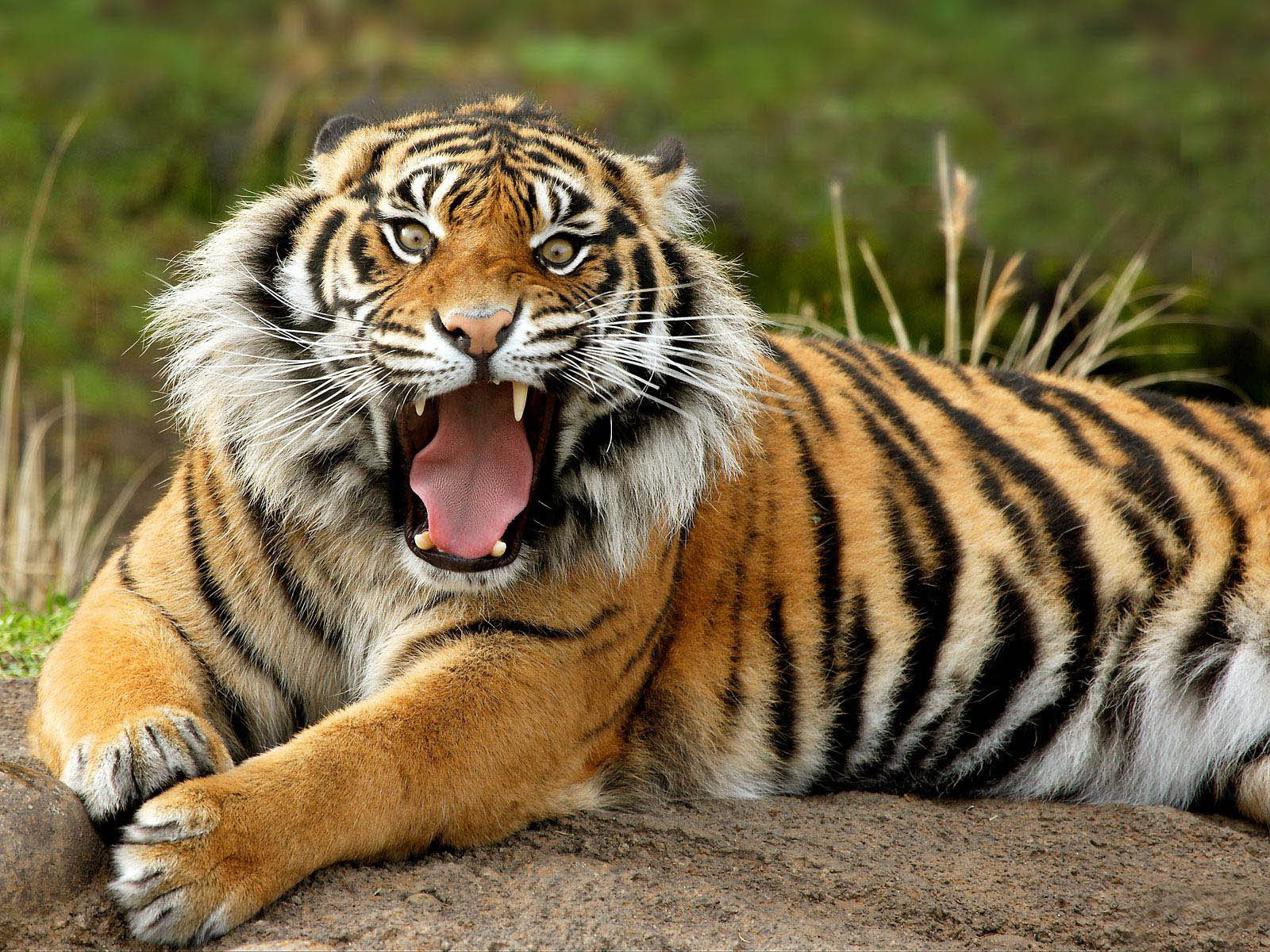
Biodiversity in the Wild
The wild is a treasure trove of biodiversity, with countless species coexisting and thriving in various ecosystems. Rainforests, deserts, grasslands, and oceans are just a few of the habitats that support a rich array of wildlife. Each ecosystem is unique, offering distinct challenges and resources that shape the behavior and characteristics of the animals that call it home.
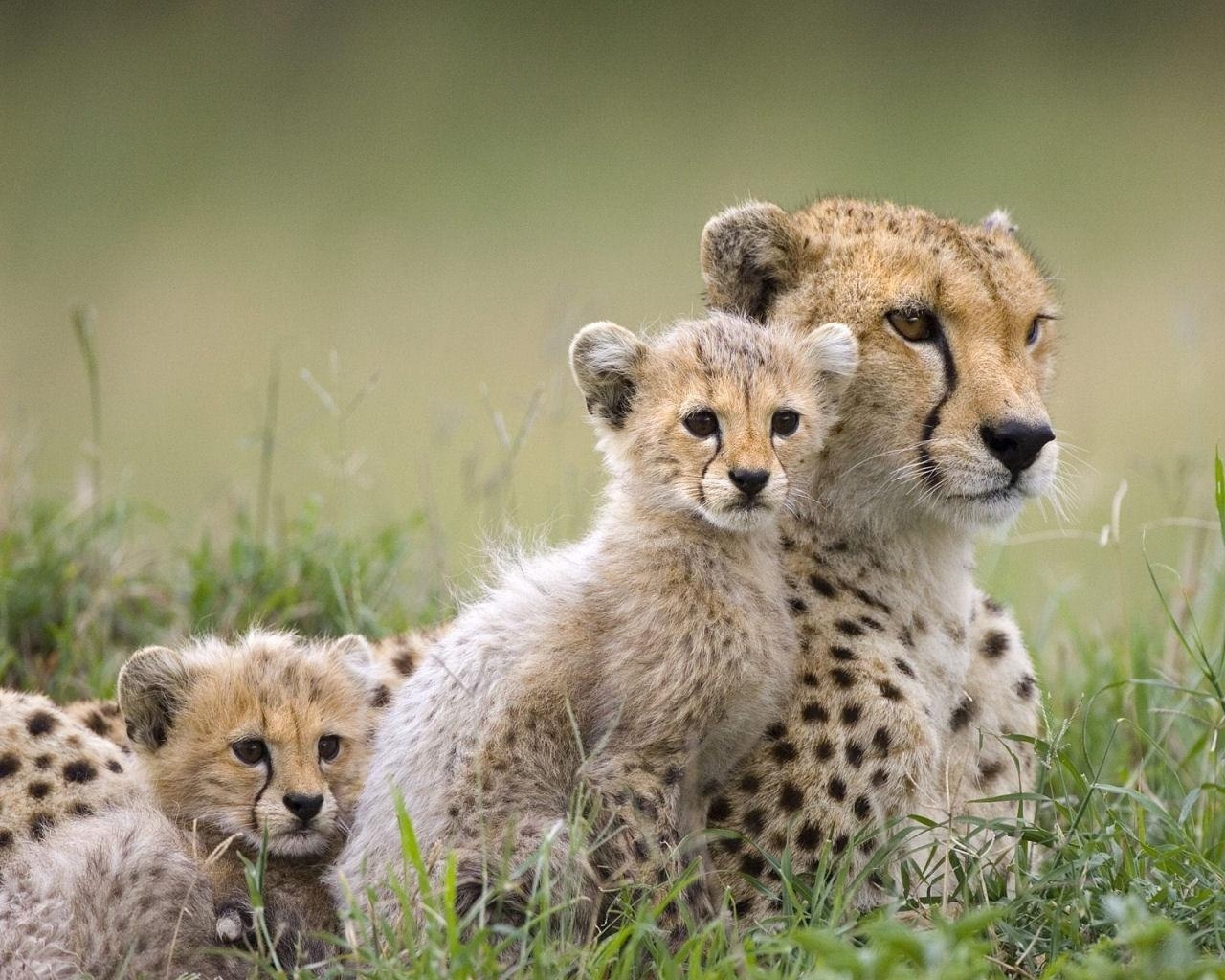
The Circle of Life: Predators and Prey
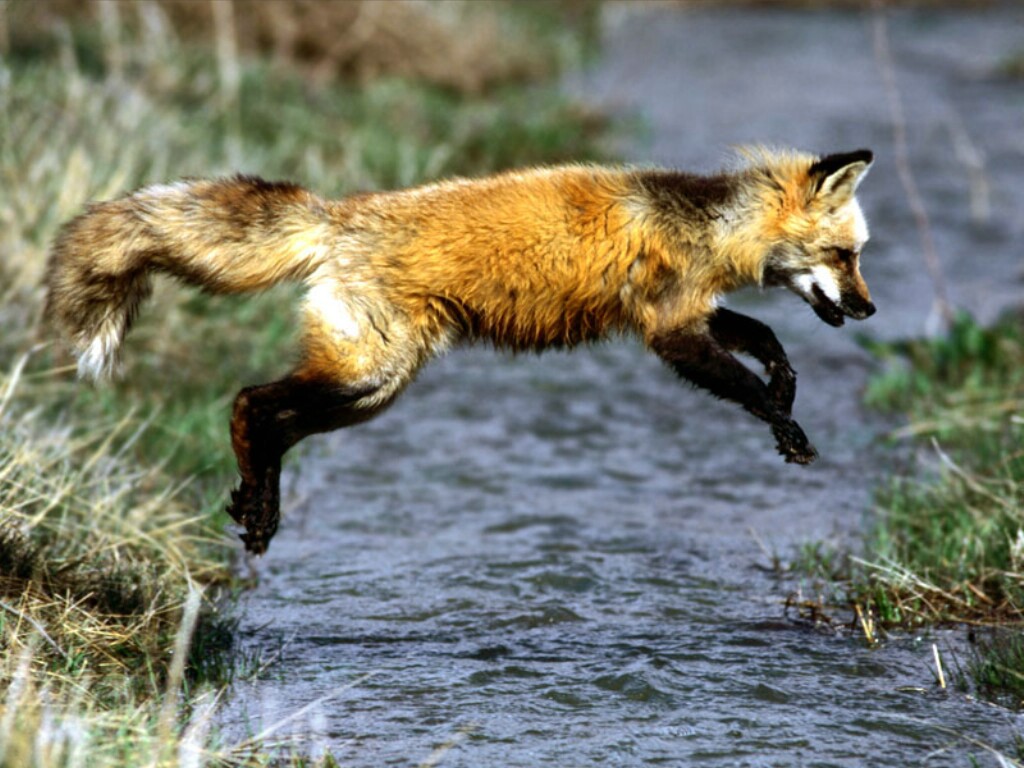
In the wild, the delicate balance between predators and prey ensures the survival of species and the health of ecosystems. Predators play a crucial role in controlling prey populations, preventing overgrazing and maintaining a healthy food chain. From apex predators like tigers and wolves to smaller carnivores like foxes and snakes, each plays a unique part in the intricate web of life.

The Wonders of Animal Adaptations
Animals in the wild have evolved extraordinary adaptations to survive and thrive in their environments. From camouflage to mimicry, these adaptations enable animals to hide from predators, hunt efficiently, or withstand extreme weather conditions. The chameleon's ability to change color, the polar bear's thick fur, and the cheetah's incredible speed are just a few examples of nature's remarkable ingenuity.
.jpg)
Migration: A Remarkable Journey
Many animals embark on incredible migratory journeys, traveling vast distances to find food, mating partners, or suitable breeding grounds. From the majestic monarch butterflies that travel thousands of miles to the annual wildebeest migration in Africa, these journeys showcase the determination and resilience of animals in the face of adversity.
.jpg)
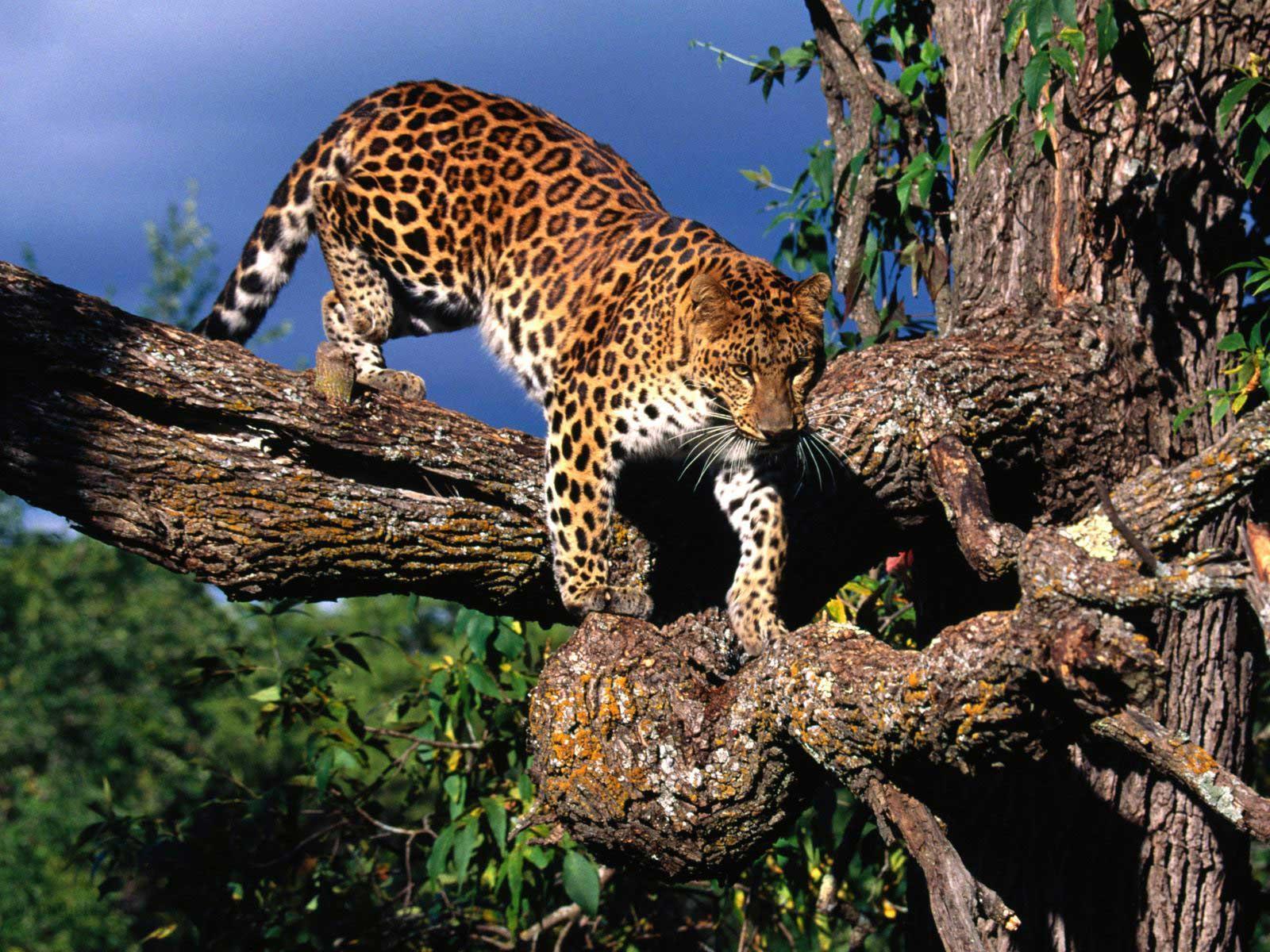
The Threats to Wildlife
While the wild is full of wonders, it is also a realm under threat. Human activities such as deforestation, pollution, and climate change pose significant challenges to wildlife. Many species are facing the risk of extinction, and ecosystems are being disrupted. Conservation efforts, education, and sustainable practices are essential to ensure the survival of animals in the wild for future generations.
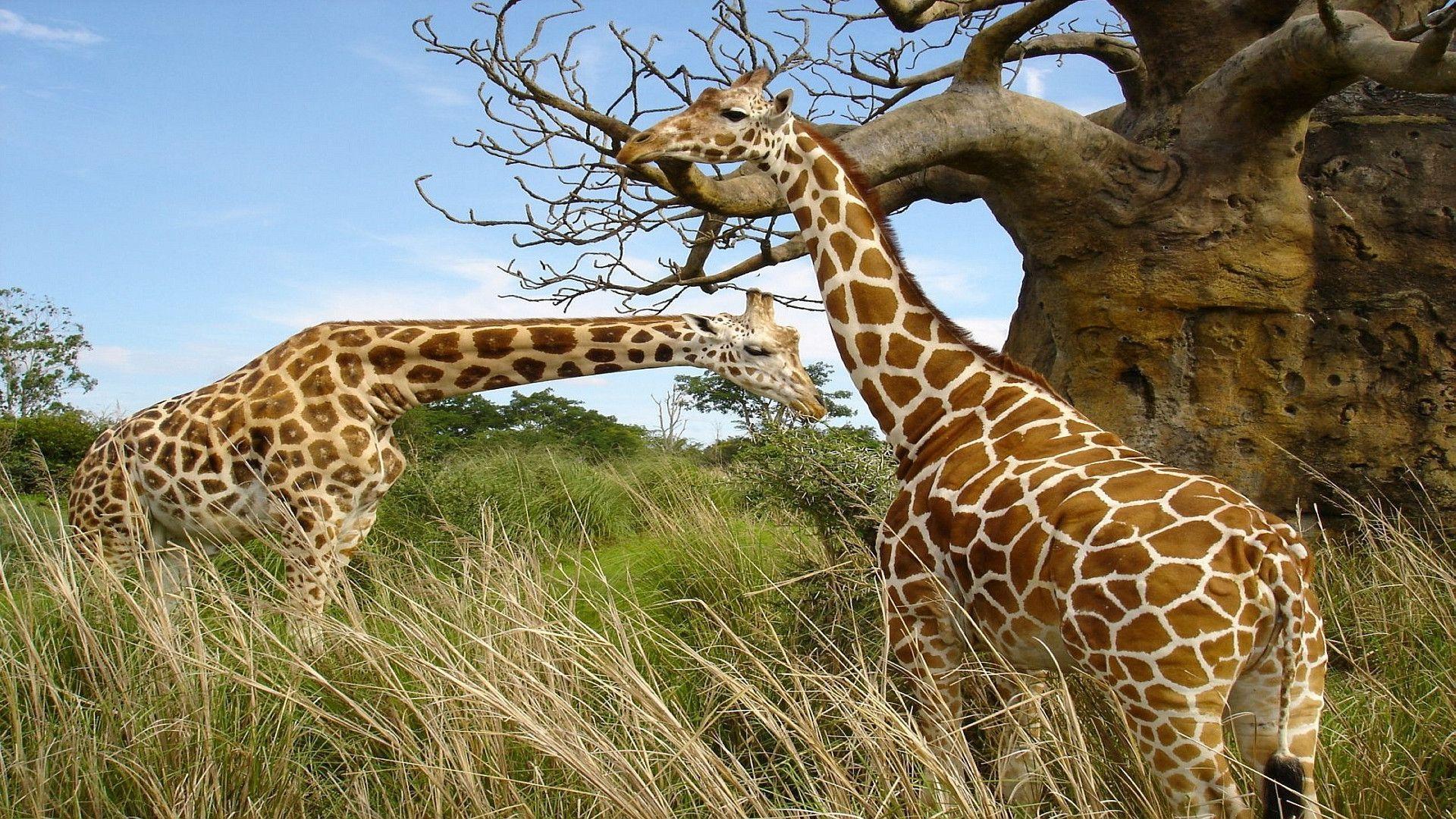
The Role of Wildlife Conservation
Wildlife conservation plays a critical role in preserving the diversity and beauty of animals in the wild. National parks, reserves, and protected areas provide safe havens for endangered species and allow for scientific research and monitoring. Collaborative efforts between governments, organizations, and local communities are vital in safeguarding the future of wildlife.

Ecotourism: Promoting Conservation and Awareness
Ecotourism offers a unique opportunity to experience animals in the wild while promoting conservation and supporting local communities. Responsible tourism practices prioritize the well-being of wildlife and their habitats, ensuring minimal disturbance and maximum benefit to both humans and animals. By participating in eco-friendly tours and activities, individuals can contribute to the preservation of this precious resource.
Conclusion
The world of animals in the wild is a marvel that never ceases to amaze. From their incredible adaptations to their awe-inspiring behaviors, animals capture our imagination and remind us of the importance of biodiversity and conservation. Through education, awareness, and sustainable practices, we can ensure the survival and well-being of these magnificent creatures for generations to come.
