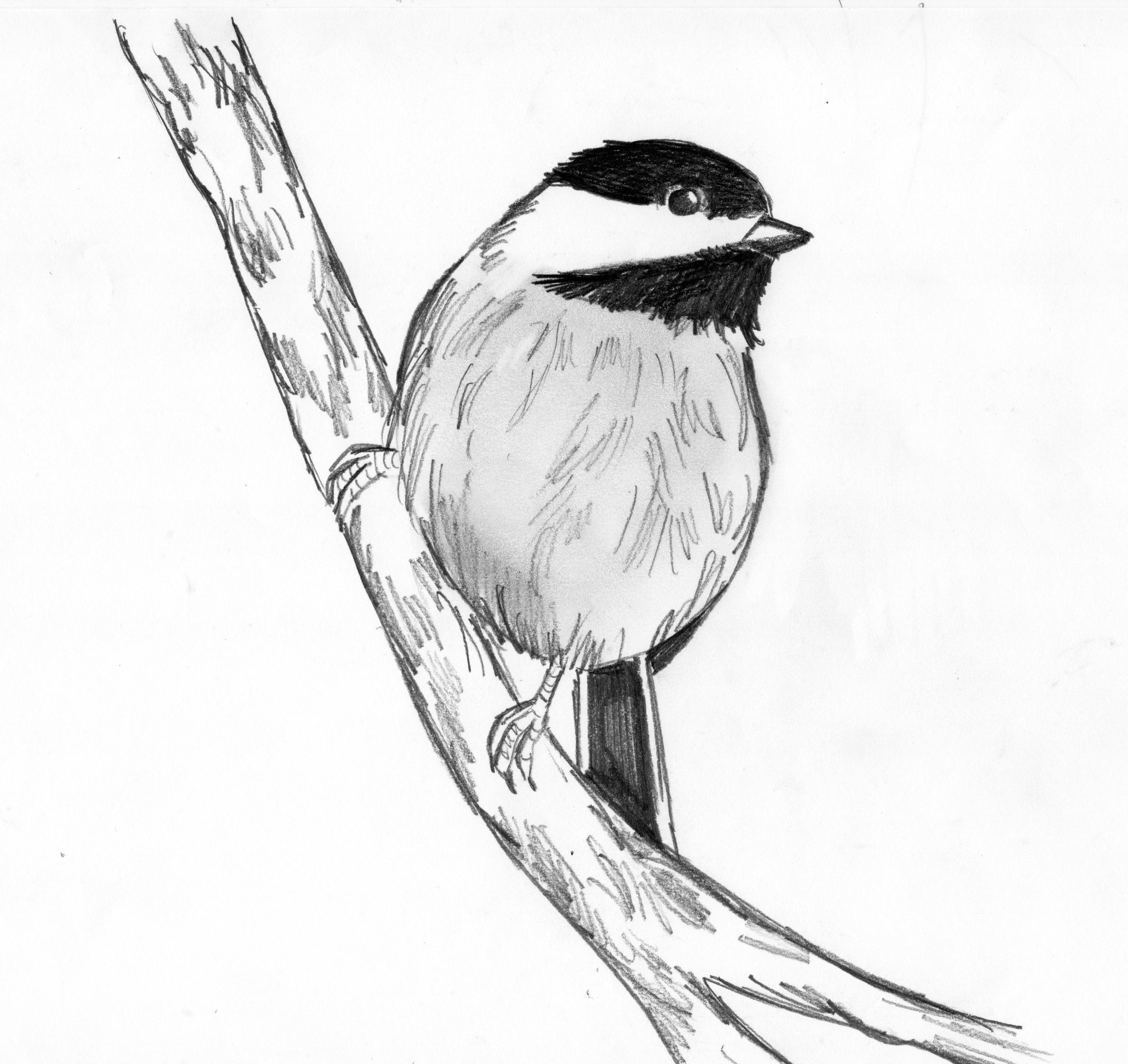
Introduction
Animals have always been a fascinating subject for artists. Drawing animals allows us to capture their beauty, grace, and unique characteristics on paper. Whether you are a professional artist or just someone who enjoys doodling, animals can provide endless inspiration for your artwork. In this article, we will explore the art of animals drawing and provide you with some tips and techniques to create stunning animal illustrations.

Choosing the Right Reference
When starting an animal drawing, it is essential to have a good reference image. Look for high-quality photographs or even real-life observations to capture the animal's details accurately. Ensure that the reference image has sufficient lighting and clear visibility of the animal's features. This will help you in creating a realistic and lifelike drawing.
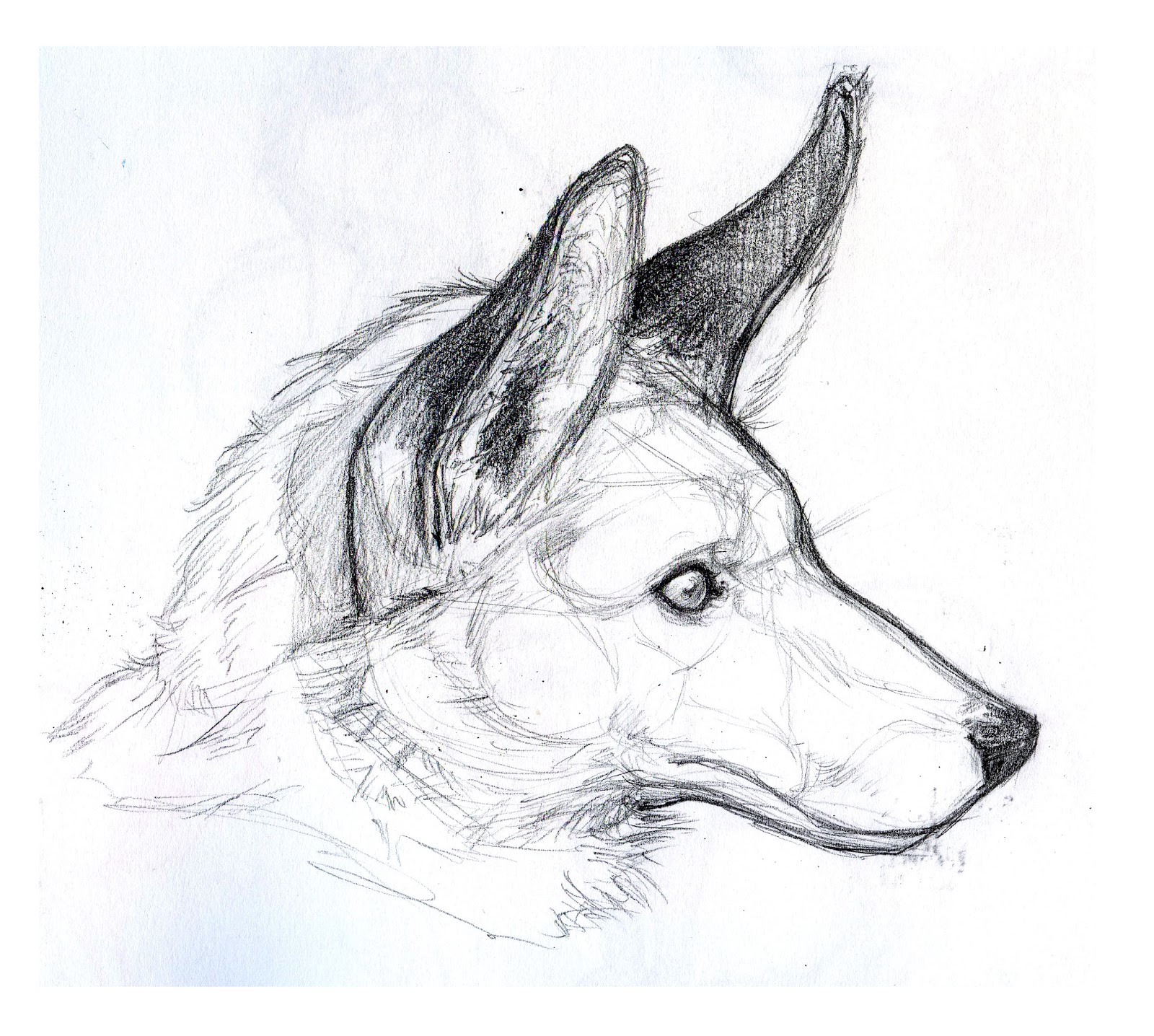
Understanding Animal Anatomy
To create convincing animal drawings, it is crucial to understand their anatomy. Study the skeletal structure, muscle groups, and proportions of the animal you want to draw. This knowledge will help you accurately depict the animal's form and movement in your artwork.
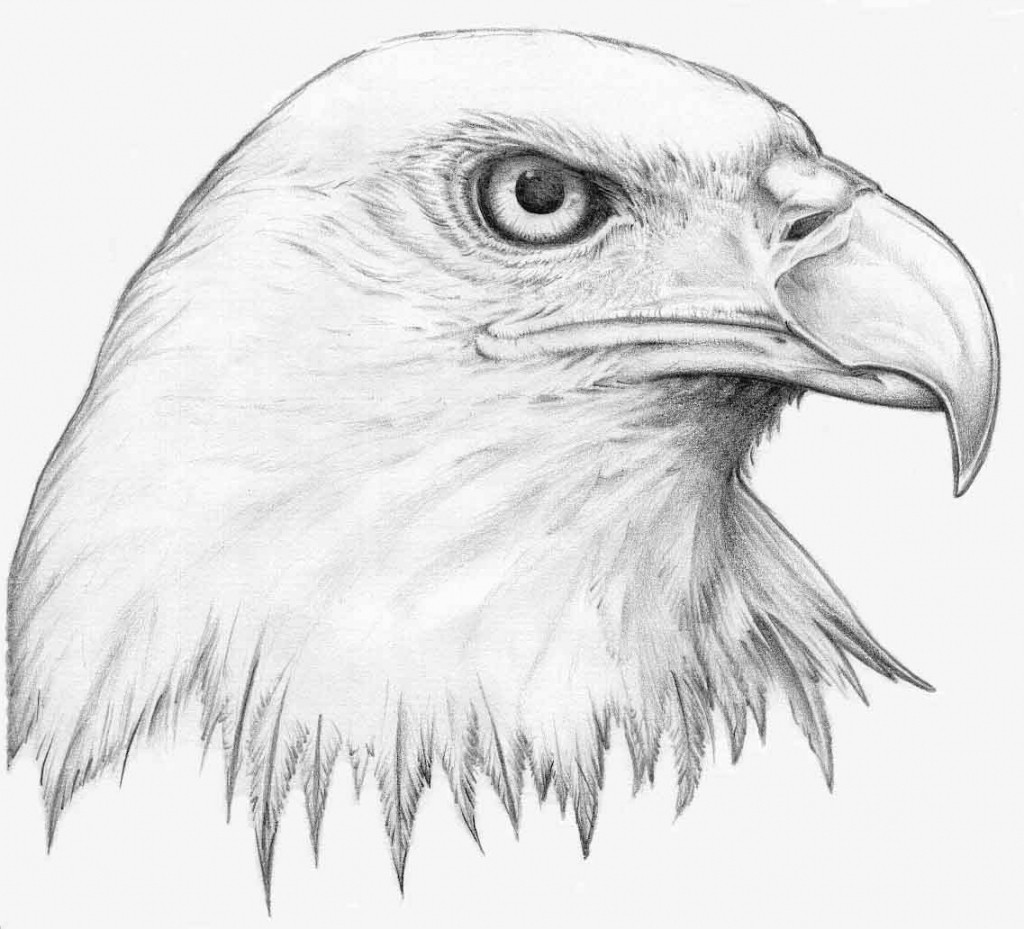
Mastering Basic Shapes
Before diving into complex animal drawings, it is essential to master basic shapes. Animals can be broken down into simple geometric forms such as circles, triangles, and rectangles. By starting with these basic shapes, you can build a solid foundation for your drawing and ensure accurate proportions.
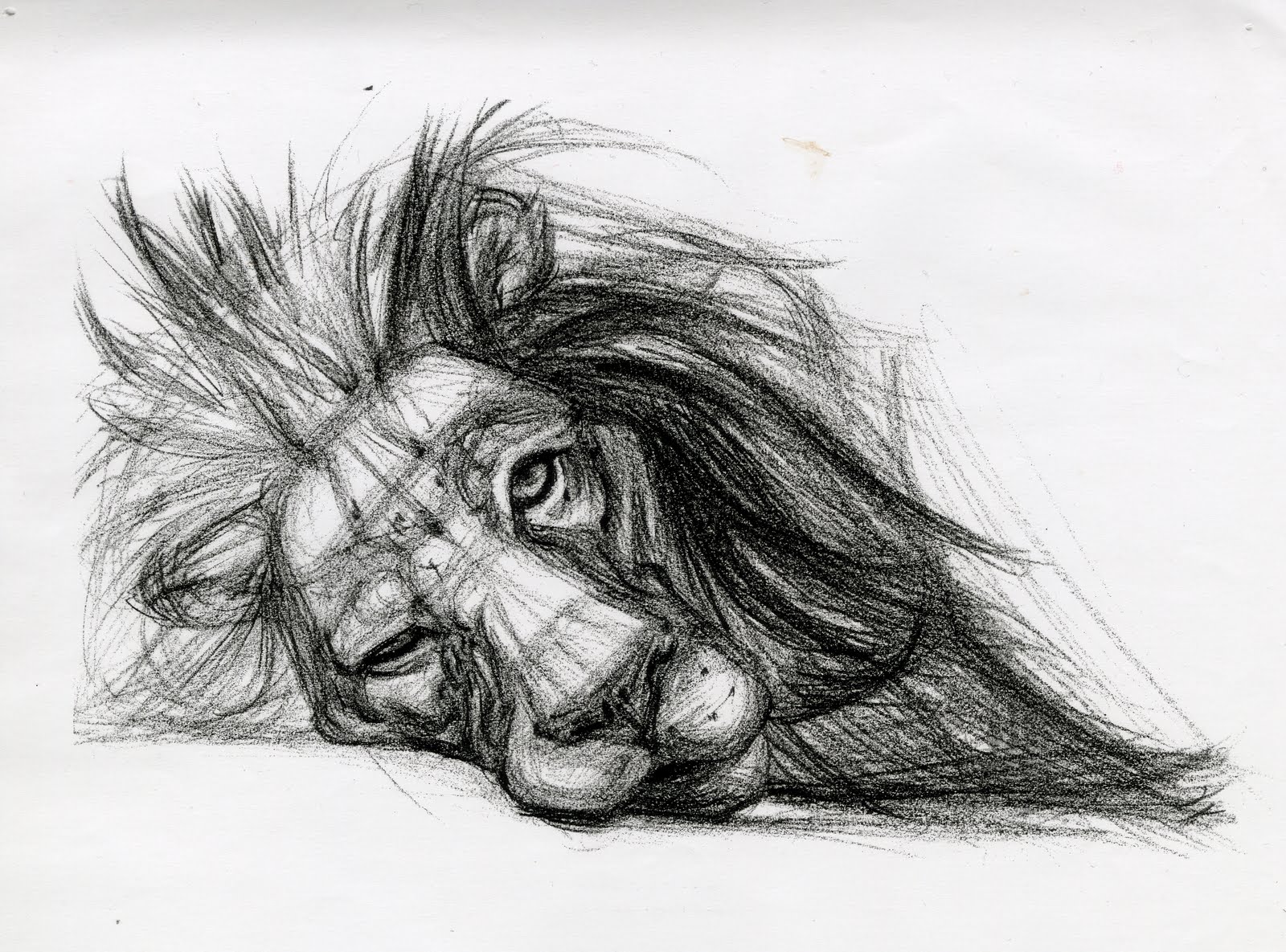
Observing Textures and Patterns
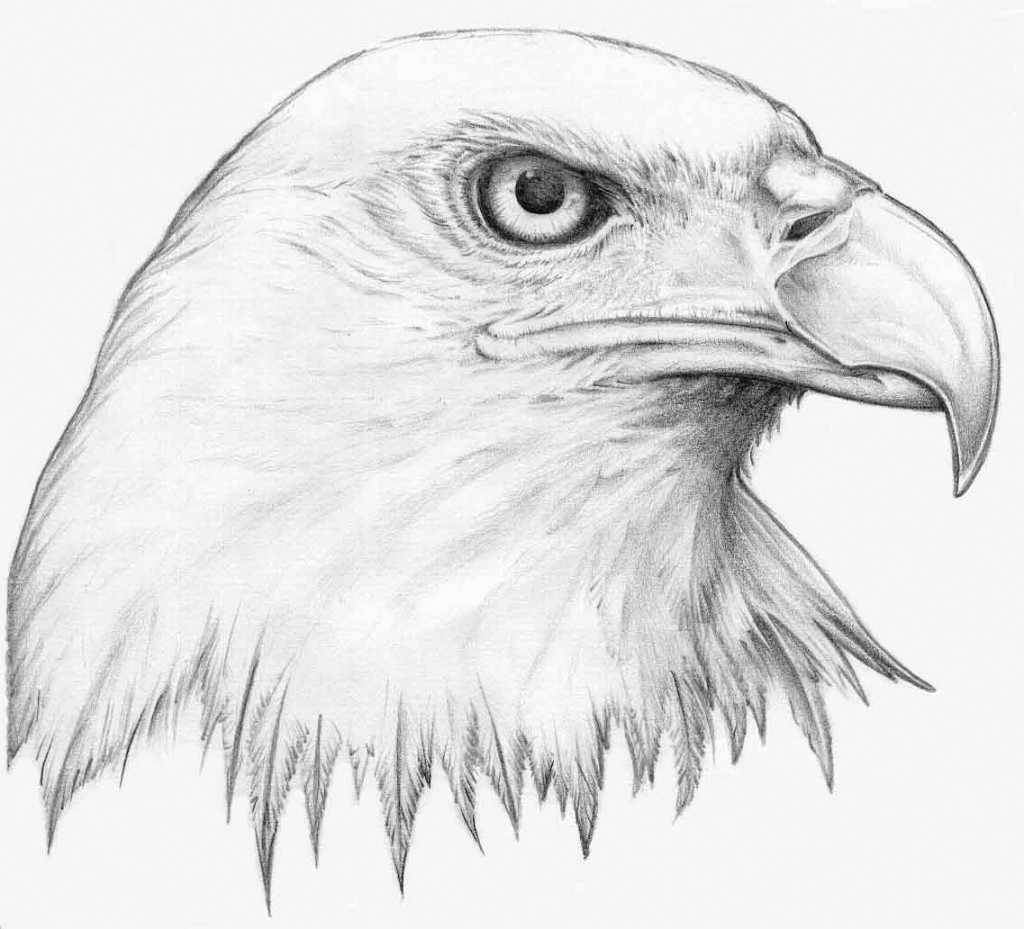
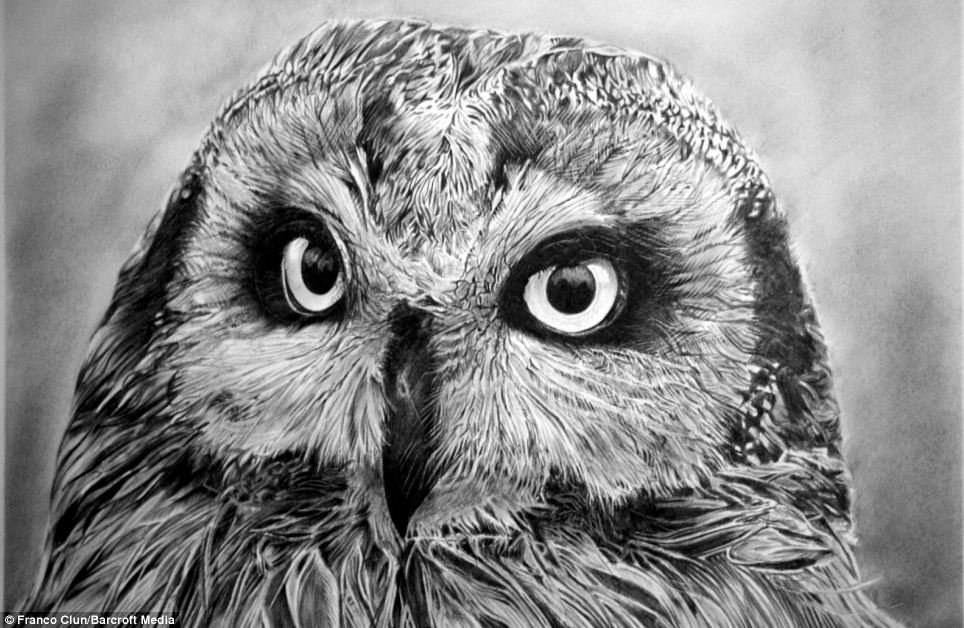
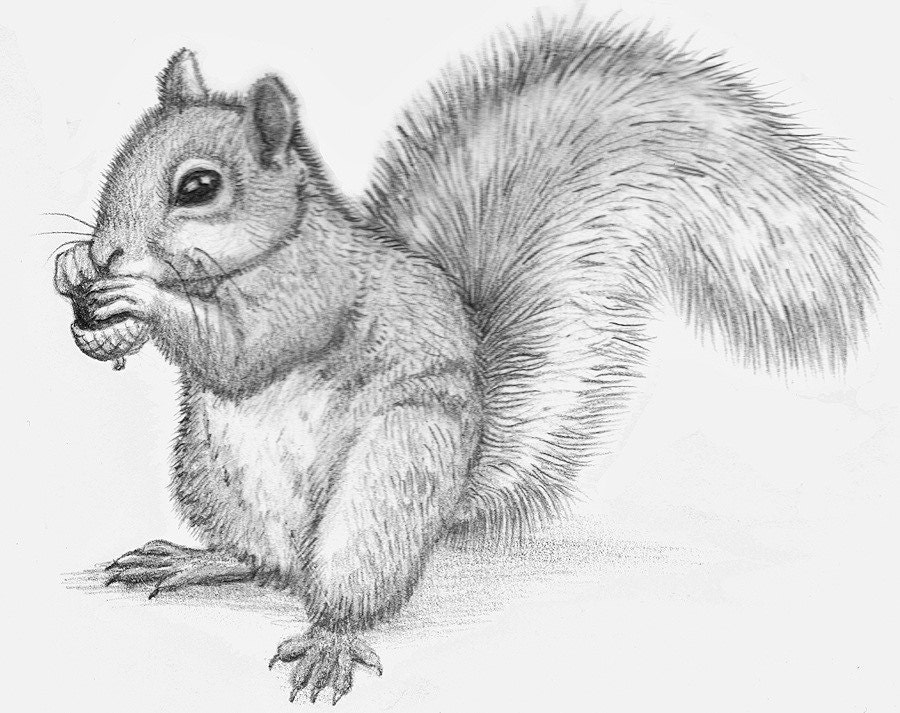
Animals exhibit a wide range of textures and patterns on their fur, skin, or feathers. Pay close attention to these details and try to replicate them in your drawing. Use different shading techniques, such as cross-hatching or stippling, to create realistic textures and convey the animal's unique characteristics.
Choosing the Right Drawing Tools
The choice of drawing tools can greatly impact the final result of your animal drawing. Experiment with different mediums such as pencils, pens, charcoal, or pastels to find the one that suits your style and desired effect. Each medium has its unique properties, so don't be afraid to explore and find your preference.
Sketching and Outlining
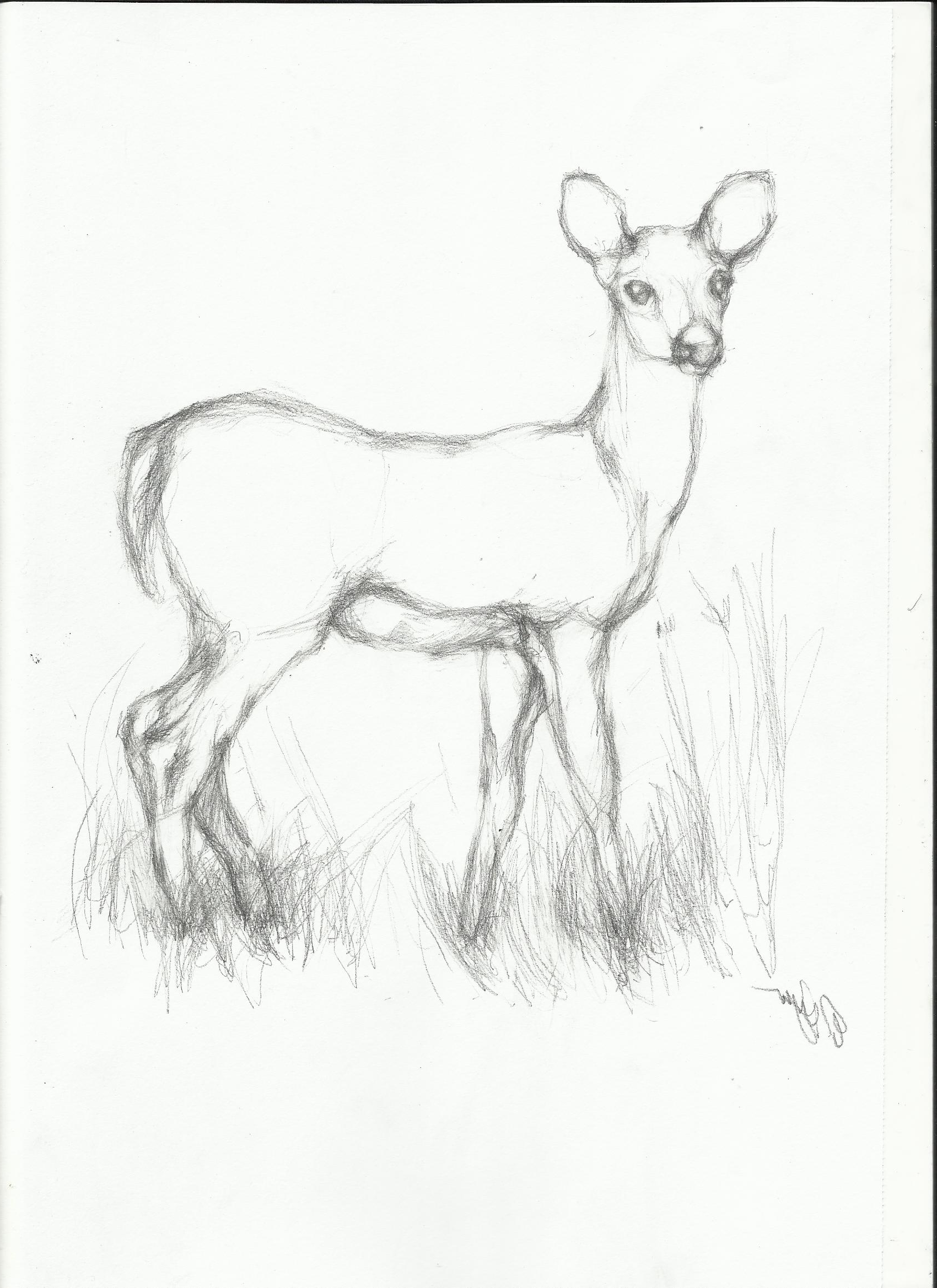
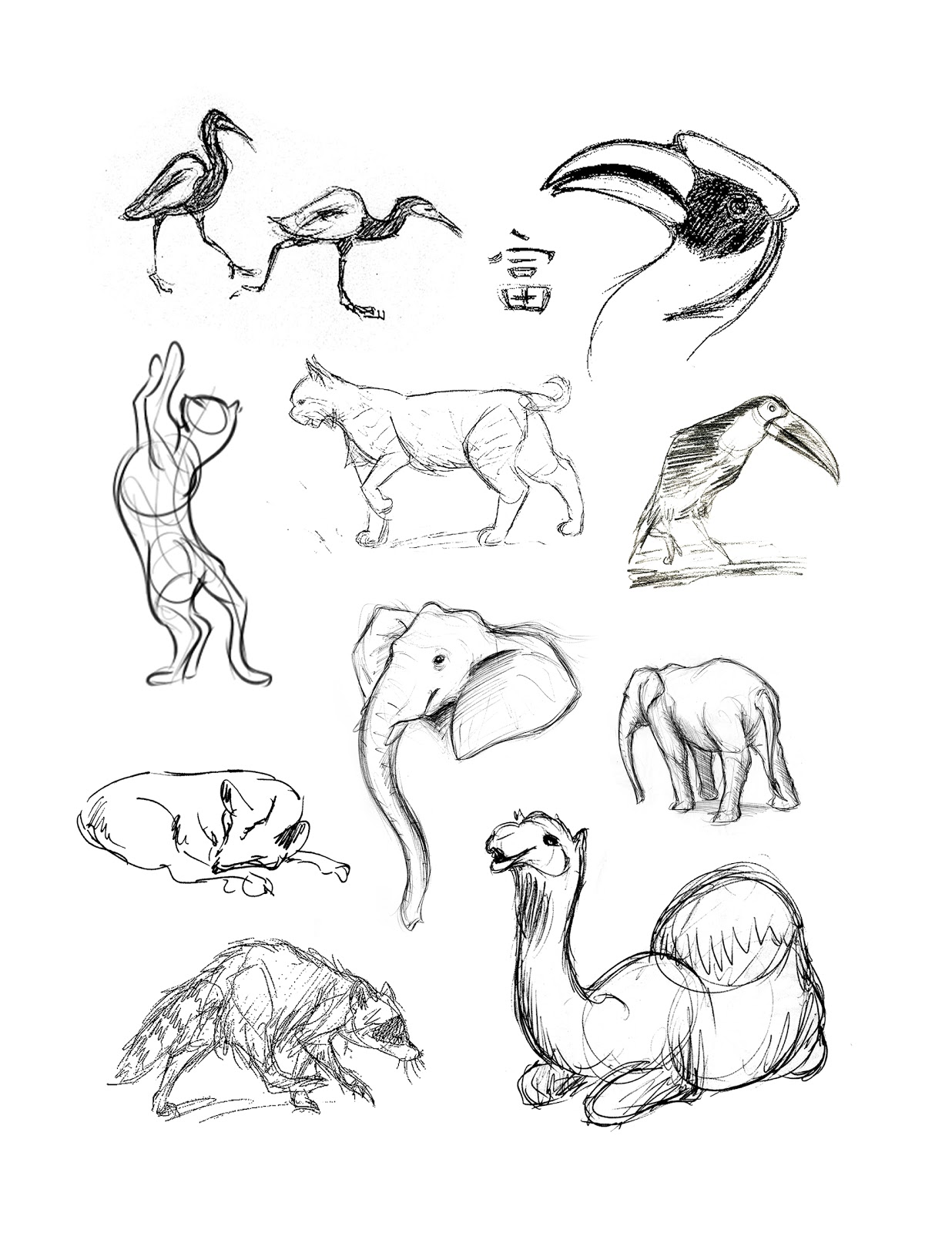
Start your animal drawing with a light sketch or outline to establish the basic structure and proportions. Use light, loose lines to create a blueprint for your drawing, which can later be refined and detailed. Don't worry about perfection at this stage; focus on capturing the overall shape and pose of the animal.
Adding Depth and Dimension
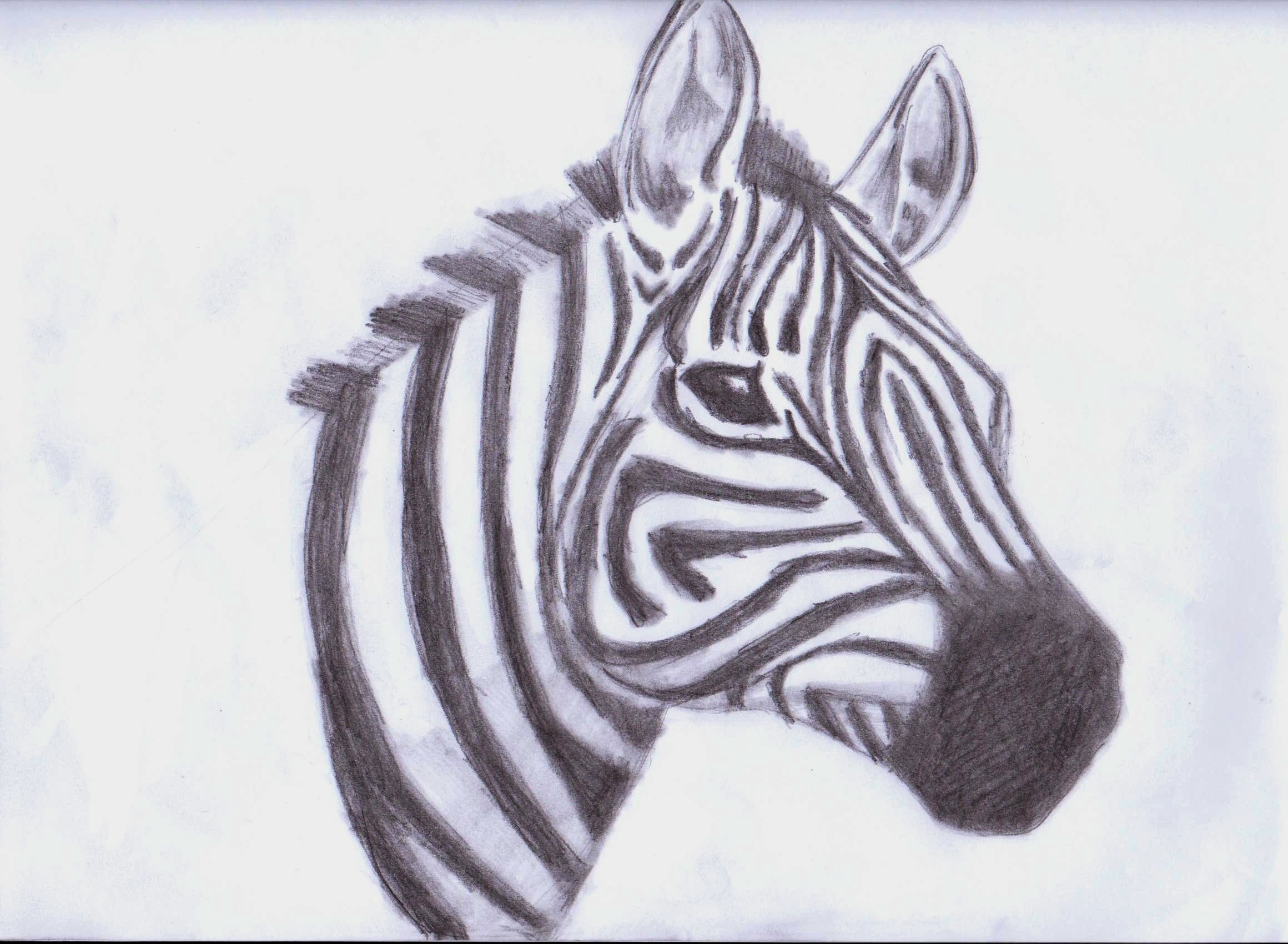
To make your animal drawing more realistic, it is essential to add depth and dimension. Use shading techniques to create highlights and shadows, giving your drawing a three-dimensional appearance. Pay attention to the direction of light source in your reference image, as it will determine the placement of shadows on the animal's body.
Detailing Facial Features
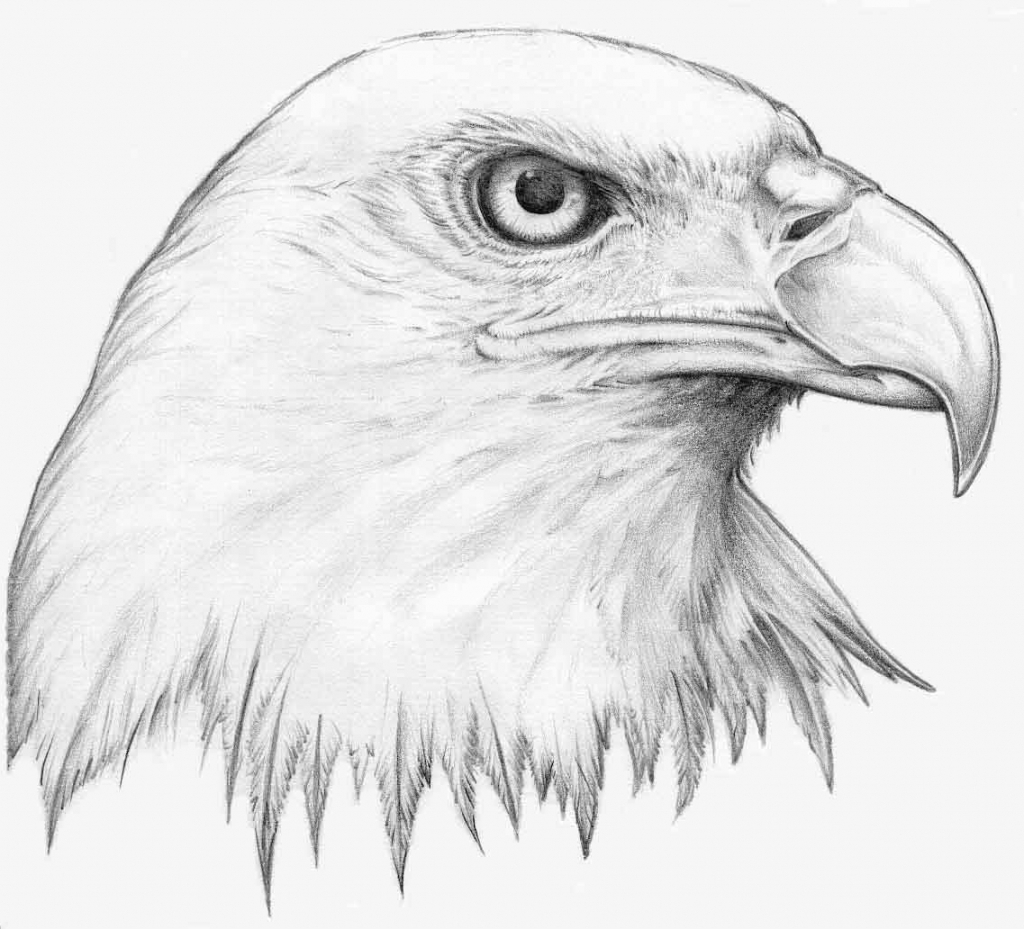
The face of an animal often holds the most character and expression. Spend time carefully detailing the animal's eyes, nose, and mouth. Pay attention to the shape, size, and position of these features, as they can greatly influence the overall expression and personality of the animal in your drawing.
Capturing Movement and Action
Animals are dynamic creatures, often in motion. To capture their movement and action in your drawing, study their body language and gestures. Pay attention to the positioning of their limbs, the arch of their back, and the flow of their fur or feathers. Incorporate these elements into your artwork to bring your animal drawing to life.

Adding Background Elements
Consider adding background elements to your animal drawing to provide context and enhance the overall composition. It could be a natural habitat, foliage, or even other animals. Make sure the background elements complement the main subject and add visual interest without overpowering the animal.
Experimenting with Different Styles
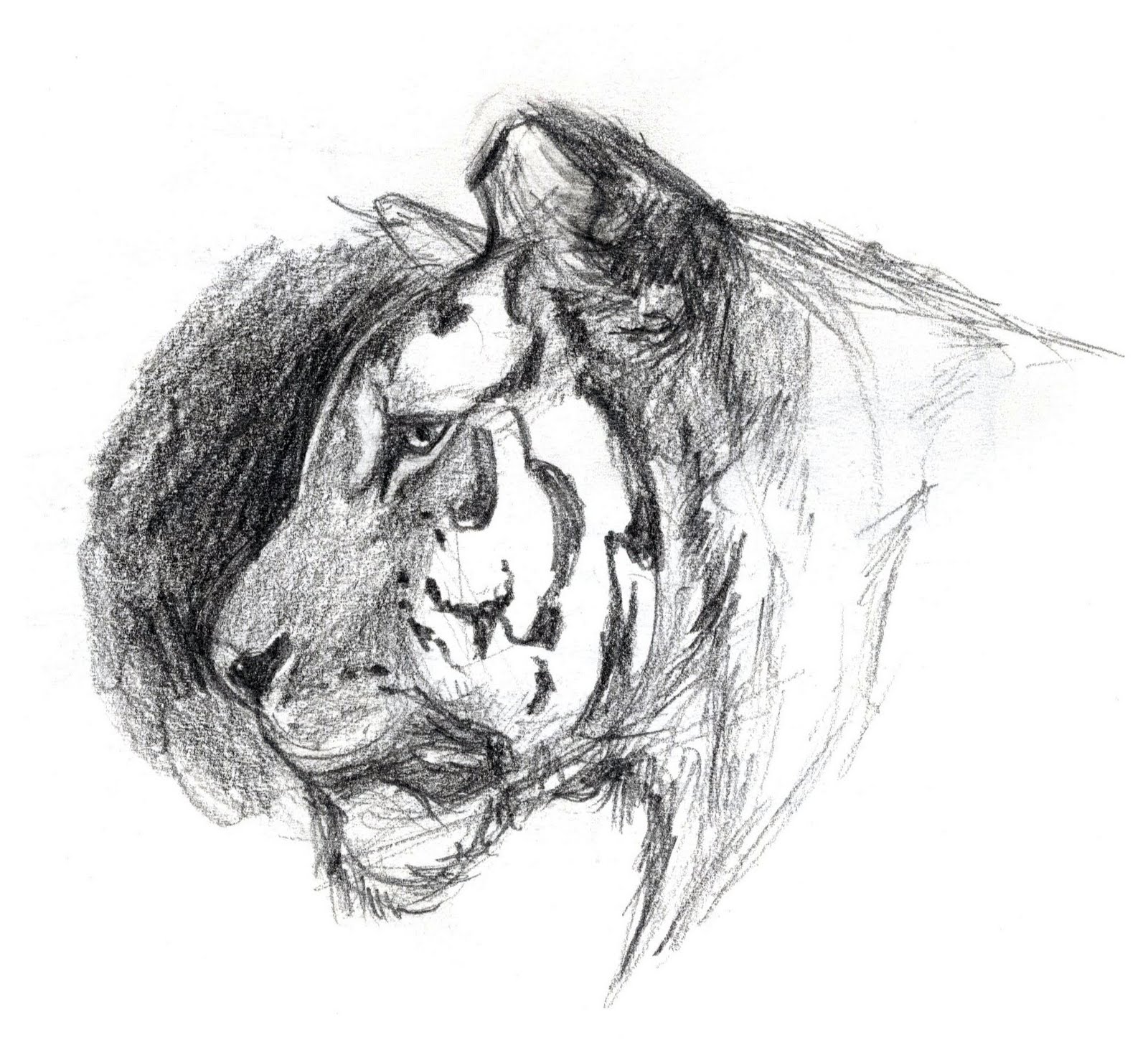
Don't be afraid to experiment with different drawing styles when creating animal illustrations. Whether you prefer a realistic approach or a more stylized interpretation, each style can bring out unique qualities of the animal. Embrace your creativity and explore various techniques to find your own signature style.
Practicing Patience and Perseverance
Creating detailed animal drawings requires patience and perseverance. It takes time to master the techniques and develop your skills. Don't get discouraged by initial failures or imperfections; instead, view them as learning opportunities. Keep practicing regularly, and you will see steady improvement in your animal drawings.

Seeking Inspiration and Learning from Others
Inspiration can be found everywhere, from nature documentaries to wildlife photography. Surround yourself with art and seek inspiration from other artists who specialize in animals drawing. Study their techniques, learn from their experiences, and adapt them to your own style. Continuous learning and exposure to different artistic approaches will help you grow as an artist.
Sharing and Showcasing Your Artwork
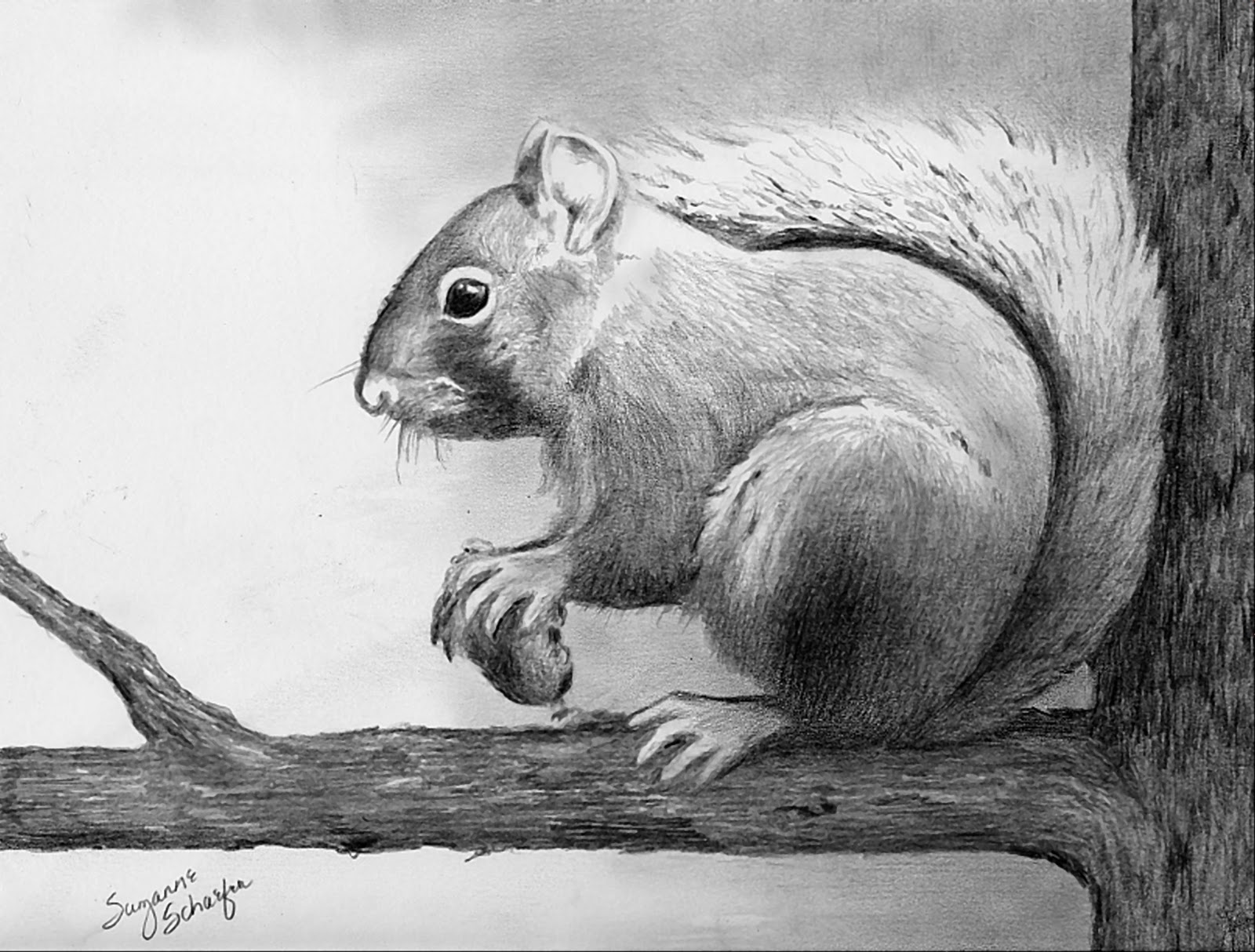
Once you have created your animal drawings, don't hesitate to share them with others. Social media platforms and online art communities are great places to showcase your artwork and receive feedback from fellow artists and enthusiasts. Embrace constructive criticism and use it to refine your skills further.
Conclusion
Animals drawing is a wonderful way to express your love for wildlife and unleash your creativity. By understanding animal anatomy, practicing different techniques, and seeking inspiration, you can create stunning animal illustrations that captivate viewers. Remember to have fun, experiment, and enjoy the process of bringing these magnificent creatures to life on paper.
